

Exploring Business Garage Door Options
- Admin
- Mar 31
- 4 min read

When it comes to choosing the right garage door for your business, the options can feel overwhelming. I’ve spent a lot of time learning about different types of commercial garage doors, and I want to share what I’ve found. Whether you run a small workshop, a warehouse, or a retail space, the right garage door can make a big difference. It improves security, boosts curb appeal, and even helps with energy efficiency. Let’s explore the most common business garage door options and what makes each one unique.
Understanding Business Garage Door Options
Business garage doors come in many styles and materials. Each type serves a specific purpose and fits different needs. Here are some of the most popular options:
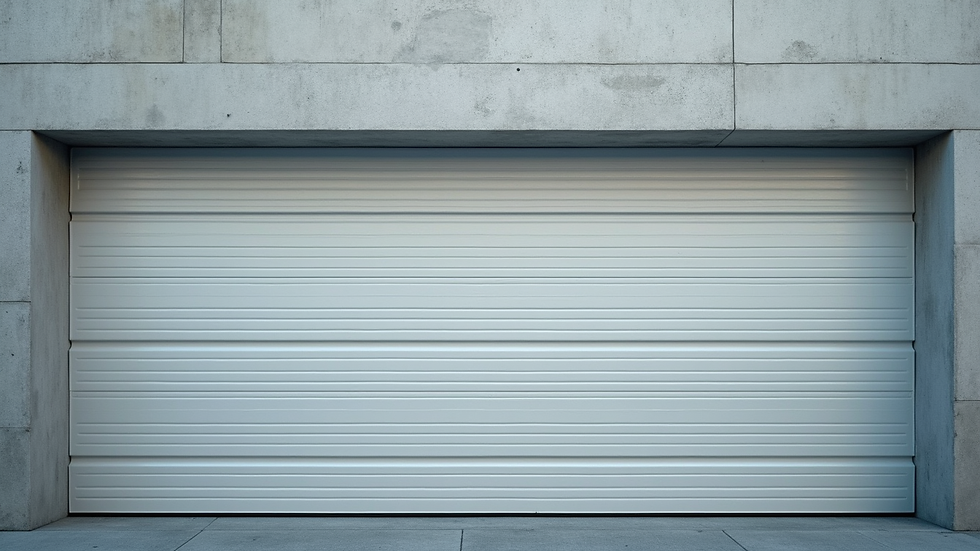
Roll-Up Doors: These doors roll up into a coil above the opening. They are great for places with limited ceiling space. Roll-up doors are durable and require little maintenance. They are often made of steel or aluminum.
Sectional Doors: Made of horizontal panels that slide up and overhead, sectional doors are common in many commercial settings. They offer good insulation and can be customized with windows or other features.
Sliding Doors: These doors slide horizontally on a track. They are ideal for wide openings and places where overhead space is limited.
Swing-Out Doors: These doors open outward like a regular door. They are less common but useful in certain industrial settings.
High-Speed Doors: Designed for fast operation, these doors are perfect for busy warehouses or loading docks where quick access is essential.
Each option has its pros and cons. For example, roll-up doors are excellent for security but may not provide as much insulation as sectional doors. Sectional doors offer better energy efficiency but need more space to open.

How Much Do Commercial Doors Cost?
Cost is a big factor when choosing a garage door for your business. Prices vary widely depending on the type, size, material, and additional features. Here’s a rough breakdown:
Roll-Up Doors: These typically cost between $1,000 and $3,000. The price depends on the size and material thickness.
Sectional Doors: These range from $1,200 to $4,000. Insulated models tend to be on the higher end.
Sliding Doors: Sliding doors usually cost between $1,500 and $3,500.
Swing-Out Doors: These can be more expensive, often $2,000 to $5,000, due to their custom nature.
High-Speed Doors: These are the priciest, ranging from $3,000 to $10,000 or more, depending on speed and technology.
Installation costs are separate and can add $500 to $1,500 depending on complexity. Maintenance and repair should also be considered in your budget. Investing in a quality door upfront can save money on repairs later.
Choosing the Right Material for Your Business Garage Door
Material choice affects durability, maintenance, and appearance. Here are common materials used in business garage doors:
Steel: Strong and secure, steel is the most popular choice. It resists dents and can be insulated for energy efficiency.
Aluminum: Lightweight and rust-resistant, aluminum is good for humid environments. It’s less durable than steel but easier to operate.
Wood: Offers a classic look but requires more upkeep. Wood doors are less common in commercial settings but can be used for aesthetic reasons.
Fiberglass: Resistant to corrosion and lightweight, fiberglass is good for coastal areas. It can be translucent to allow natural light.
Vinyl: Durable and low maintenance, vinyl doors resist dents and rust. They are often used in industrial settings.
Each material has its strengths. For example, steel doors are excellent for security and durability, while aluminum doors are better for lighter use and corrosion resistance.
Key Features to Consider in Business Garage Door Options
When selecting a garage door, think about these important features:
Insulation: Helps control temperature and reduce energy costs. Essential for climate-sensitive businesses.
Security: Look for doors with strong locks and durable materials to protect your property.
Automation: Automatic openers add convenience and improve safety. Consider smart controls for remote operation.
Windows: Add natural light and improve appearance. Choose shatterproof glass for safety.
Size and Customization: Make sure the door fits your opening perfectly. Custom sizes and colors can enhance your business’s look.
Maintenance: Some doors require more upkeep than others. Choose a door that fits your maintenance capabilities.
By focusing on these features, you can find a door that meets your business’s specific needs and budget.
Why Professional Installation and Maintenance Matter
Installing a commercial garage door is not a DIY project. Proper installation ensures the door operates smoothly and safely. Poor installation can lead to costly repairs and safety hazards.
Regular maintenance keeps your door in top shape. This includes lubricating moving parts, checking the balance, and inspecting the opener. A well-maintained door lasts longer and performs better.
If you want reliable and affordable garage door services, it’s best to work with experienced professionals. They can help you choose the right door, install it correctly, and provide ongoing support.
Choosing the right commercial garage doors is an investment in your business’s security and efficiency. Take your time, ask questions, and pick a door that fits your needs perfectly.
I hope this guide helps you understand the different business garage door options available. With the right door, you can protect your property, improve your workspace, and make a great impression on customers. If you have questions or need help, don’t hesitate to reach out to trusted garage door experts. Your business deserves the best!


Comments