

Garage Door Closing Fixes: Troubleshooting a Garage Door That Won’t Close
- Admin
- Apr 27
- 4 min read

A garage door that won’t close can be frustrating and even a security risk. When your garage door refuses to shut properly, it disrupts your routine and leaves your home or business vulnerable. I’ve been there, and I know how important it is to get your garage door working smoothly again. In this post, I’ll walk you through common reasons why your garage door won’t close and share practical garage door closing fixes you can try yourself. If you want to learn more about how to fix a garage door that wont close, I’ve included helpful tips and steps to guide you.
Common Causes of Garage Door Closing Problems
Before diving into fixes, it’s important to understand why your garage door might not be closing. Here are some common issues that cause garage doors to stop closing properly:
Obstructed Sensors: Most modern garage doors have safety sensors near the floor on either side of the door. If these sensors are blocked or misaligned, the door won’t close.
Track or Roller Issues: Dirt, debris, or damage in the tracks or rollers can prevent smooth movement.
Broken Springs or Cables: These parts help lift and lower the door. If they’re broken or worn out, the door may not close.
Remote or Wall Control Problems: Sometimes the issue is with the remote control or wall switch.
Force Settings on the Opener: The opener’s force settings might be too low, causing it to stop before closing fully.
Power Supply Issues: A power outage or electrical problem can stop the door from closing.
Knowing these causes helps you focus on the right fix. Let’s explore some garage door closing fixes that you can try safely.
Garage Door Closing Fixes You Can Try Today
Here are some straightforward garage door closing fixes that often solve the problem:
Check and Clean the Safety Sensors
The sensors are a common culprit. Make sure nothing is blocking the sensor lenses. Clean the lenses gently with a soft cloth to remove dust or spider webs. Also, check if the sensors are aligned facing each other. If they are misaligned, adjust them until the indicator lights turn solid.
Inspect the Tracks and Rollers
Look for any debris, dirt, or damage in the tracks. Clean the tracks with a damp cloth and remove any obstructions. Lubricate the rollers and hinges with a silicone-based lubricant to ensure smooth movement.
Test the Remote and Wall Controls
Replace the batteries in your remote control. Test the wall switch to see if it works. If the remote is faulty, try using the wall control to close the door.
Adjust the Force Settings
Your garage door opener has force settings that control how much power it uses to close the door. If the force is set too low, the door may stop prematurely. Consult your opener’s manual to adjust the force settings safely.
Check the Power Supply
Ensure the opener is plugged in and the circuit breaker hasn’t tripped. If you have a power outage, wait for power to return or use the manual release to close the door.
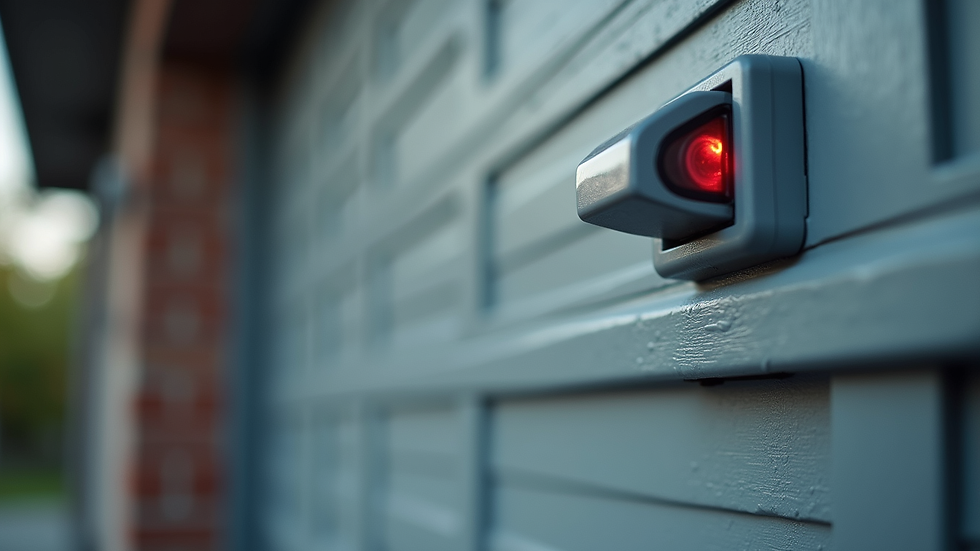
Properly aligned and clean safety sensors help the garage door close smoothly.
How to Fix a Garage Door When It Won't Close?
If the basic fixes don’t work, here’s a step-by-step guide to troubleshoot more deeply:
Disconnect the Opener
Pull the emergency release cord to disconnect the door from the opener. This lets you manually open and close the door to check for mechanical issues.
Inspect Springs and Cables
Look for broken or worn springs and cables. These parts are under high tension and can be dangerous to handle. If you see damage, it’s best to call a professional.
Check the Door Balance
Manually lift the door halfway and let go. If it falls or rises, the door is unbalanced. An unbalanced door strains the opener and may not close properly.
Test the Safety Reversal System
Place a small object like a piece of wood under the door. Try closing the door. If it reverses immediately, the safety reversal system is working. If not, the sensors or opener may need repair.
Inspect the Opener’s Logic Board
Sometimes the opener’s circuit board malfunctions. Look for blinking lights or error codes on the opener. Refer to the manual or contact a technician for help.
If you want to learn more about how to fix a garage door that wont close, these steps provide a solid foundation to start troubleshooting.

Cleaning and lubricating tracks and rollers can improve garage door movement and closing.
When to Call a Professional for Garage Door Closing Fixes
While many garage door closing fixes are simple, some problems require professional help. Here are signs it’s time to call a garage door technician:
Broken Springs or Cables: These are dangerous to fix without proper tools and training.
Persistent Sensor Issues: If cleaning and aligning sensors don’t work.
Opener Malfunctions: Complex electrical or mechanical problems with the opener.
Door Off Track: If the door has come off its tracks or is severely misaligned.
Unusual Noises or Jerky Movements: These can indicate serious mechanical issues.
Professional technicians have the experience and equipment to safely and effectively repair your garage door. For residents and businesses in Long Island and the five boroughs, reliable and affordable garage door services are just a call away.
Keeping Your Garage Door Closing Smooth and Safe
Preventing problems is always better than fixing them. Here are some tips to keep your garage door closing smoothly:
Regularly Clean and Lubricate the moving parts.
Test the Safety Sensors monthly to ensure they are clear and aligned.
Inspect Springs and Cables for wear and tear.
Check the Door Balance every few months.
Replace Remote Batteries as needed.
Schedule Professional Maintenance annually.
Taking these simple steps helps avoid unexpected garage door closing issues and extends the life of your door and opener.
By understanding common causes and applying these garage door closing fixes, you can restore your door’s function quickly and safely. If you ever feel unsure or face complex problems, don’t hesitate to reach out to trusted professionals. Your garage door is an important part of your property’s security and convenience, and keeping it in top shape is worth the effort.


Comments