

Garage Door Maintenance Checklist Tips You Need
- Admin
- Feb 2
- 4 min read

Keeping your garage door in top shape is essential for safety, convenience, and curb appeal. I’ve learned that regular care can prevent costly repairs and extend the life of your door. Whether you have a manual or automatic garage door, following a simple maintenance routine can save you time and money. In this post, I’ll share practical garage door maintenance checklist tips that anyone can follow. These tips are straightforward, friendly, and easy to apply.

Why Regular Garage Door Maintenance Matters
Garage doors are one of the most used entry points in a home or business. They face daily wear and tear from weather, dust, and frequent use. Without regular maintenance, small issues can turn into big problems. For example, a loose spring or worn-out roller can cause the door to malfunction or even become dangerous.
Regular maintenance helps you:
Keep the door operating smoothly and quietly
Avoid unexpected breakdowns
Improve safety for your family or employees
Save money on emergency repairs
Extend the lifespan of your garage door system
I always recommend setting a schedule to inspect and maintain your garage door at least twice a year. Spring and fall are perfect times to do this.
Essential Garage Door Maintenance Checklist Tips
Here’s a simple checklist you can follow to keep your garage door in great condition. These steps cover the most important parts of your door and opener system.
Inspect the door panels and hardware
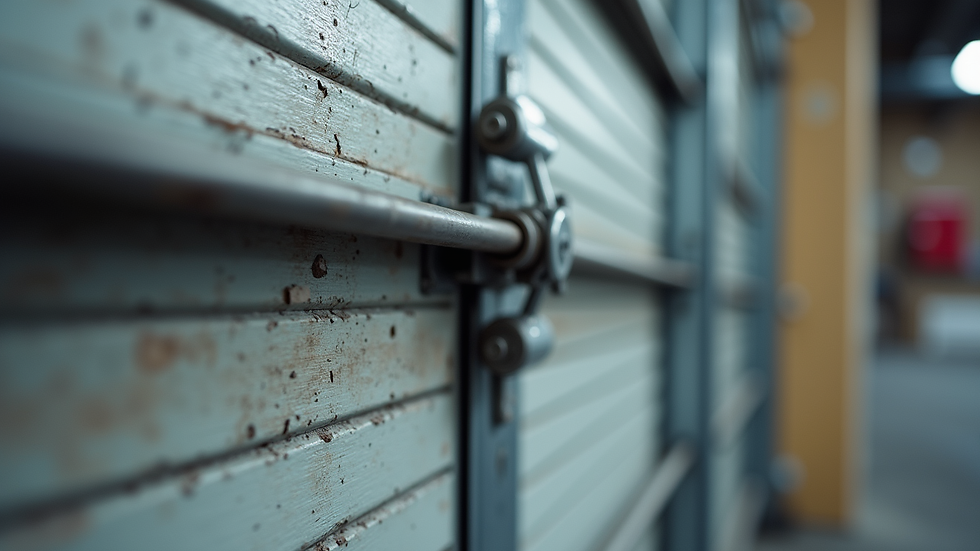
Look for dents, cracks, or rust on the door panels. Check all bolts, screws, and brackets to make sure they are tight and secure. Loose hardware can cause the door to become misaligned.
Test the door balance
Disconnect the opener by pulling the release handle. Manually lift the door halfway and let go. If it stays in place, the balance is good. If it moves up or down, the springs may need adjustment by a professional.
Check the rollers and tracks
Rollers should move smoothly without wobbling. Clean the tracks to remove dirt and debris. Avoid using grease on tracks as it can attract dust; instead, use a silicone-based lubricant.
Examine the weatherstripping
Weatherstripping seals the door and keeps out drafts, water, and pests. Replace any cracked or brittle strips to maintain energy efficiency and protect your garage interior.
Test the auto-reverse safety feature
Place a small object like a piece of wood under the door. Close the door using the opener. It should reverse immediately when it touches the object. This feature prevents accidents and injuries.
Clean and lubricate moving parts
Lubricate hinges, rollers, springs, and bearings with a proper garage door lubricant. Avoid using WD-40 as it is not designed for long-term lubrication.
Inspect the garage door opener
Check the opener’s chain or belt for wear and tension. Replace the batteries in the remote controls regularly. Listen for unusual noises during operation.
Following these steps will keep your garage door running smoothly and safely.
What is the Best Lubricant for Garage Doors?
Choosing the right lubricant is key to effective maintenance. I’ve found that not all lubricants are created equal when it comes to garage doors. Here’s what works best:
Silicone-based lubricants are excellent for tracks and rollers. They don’t attract dust and dirt, which keeps parts cleaner longer.
White lithium grease works well on metal parts like hinges and springs. It provides long-lasting lubrication and protection against rust.
Avoid using general-purpose oils or WD-40. These can cause buildup and attract grime, which leads to more frequent maintenance.
When applying lubricant, use a clean cloth or spray nozzle to apply a thin, even layer. Wipe off any excess to prevent drips and dirt accumulation.

How to Spot Warning Signs Early
Being proactive is the best way to avoid costly repairs. Here are some warning signs that your garage door needs attention:
Noisy operation: Squeaks, grinding, or rattling sounds mean parts need lubrication or replacement.
Slow response: If the door opens or closes slower than usual, the opener or springs might be failing.
Door won’t close fully: This could indicate sensor issues or misaligned tracks.
Visible damage: Cracks, dents, or rust on panels or hardware need immediate repair.
Unusual door movement: Jerky or uneven motion suggests worn rollers or springs.
If you notice any of these signs, it’s best to schedule a professional inspection. Ignoring problems can lead to door failure or safety hazards.
Scheduling Professional Garage Door Maintenance
While many maintenance tasks are simple enough to do yourself, some require professional expertise. Springs, cables, and opener repairs can be dangerous if handled incorrectly. I recommend having a trusted garage door service company perform a thorough inspection and tune-up once a year.
A professional technician will:
Adjust and replace springs safely
Inspect and repair cables and pulleys
Test and calibrate the opener system
Identify hidden issues before they become serious
For residents and businesses in Long Island and the five boroughs, HandO Garage Door Repair offers reliable and affordable service. Their team is known for quality work and excellent customer care. Scheduling regular professional maintenance complements your own efforts and keeps your garage door in peak condition.
Taking care of your garage door doesn’t have to be complicated. By following this garage door maintenance checklist and scheduling professional help when needed, you can enjoy a safe, smooth, and reliable garage door for years to come. Remember, a little maintenance goes a long way!
If you want to keep your garage door working perfectly, start with these simple tips today. Your door will thank you!


Comments